
Sometimes, the call to write doesn’t come from a place you expect.
It can be sudden, quick, all-at-once, or maybe it’s a lingering thought: the story you’ve been brewing inside you is ready to shine its light onto the world.
Imagine you’re standing silent at your favorite place, the world quiet around you, nothing demanding your attention, and those words float by your ear, from deep within you: ‘write your story’. You know as soon as you hear them they are true, real, and you cannot walk away from this truth.
With this realization, comes another voice named Doubt. That’s the pestering voice that’ll tell you “you’re not ready yet,” “now's not the time,” “your story isn’t good enough.” Let’s bust those thoughts, name those fears (because you don’t deserve to be dragged down by them anymore).

How do I know my story is ‘memoir worthy’?
First of all, let’s define what a memoir is.
A memoir is not:
- A diary/journal
- Direct retelling of the chronological facts of your life (that’s an autobiography)
- A revenge piece
A memoir is:
- A nonfiction story that explores truths, emotions, and growth
- A meaningful reflection of a specific event and/or timeframe, that encompasses a message or piece of wisdom
- Not only about you (We’ll dive deeper into this shortly.)
The difference between an autobiography and a successful memoir is a universal element. This is the human element (a combination of feelings, beliefs, or lessons) a series of events are truly about.
Your story, and what you want to write your memoir about, should offer something back to your reader, and have a factor of relatability. This can be anything from knowledge about grief or love to wisdom about change, stability, or loneliness…. These underlying factors in your story, and your reflection and wisdom regarding what you have experienced, offer readers the ability to see and relate to you. That feeling is what readers will put into their pocket and carry with them after they’ve finished reading your story.
If you have something to share, teach, or bring to someone else, you have a story ready to transform into a memoir. If you don’t feel as though you’ve found it yet, further reflect on what exactly you’re trying to share with the world–what have you learned that could transcend into a reader?
How will I know if I’m ready to share my story?
Writing a memoir is healing, but you can’t do it when the hurt is still fresh. Before you can start creating art, you need to heal before hand (like the word heart – the ‘he’ is healing, and the ‘art’ is art; the ‘he’ comes before). If the wounds are too fresh, you might be writing from a place of hurt. Your memoir can have deeply raw emotion, but it has to have a balance of understanding within it as well. You cannot find that Truth to your story if you’re still stuck in the raw emotions of it.
There is so much power hidden beneath your story, and there is a correct time to begin:
- When you can start making meaning from what you've experienced
- When you feel as though you can sit back and look at your experience objectively
- When you’re ready to transform pain into purpose
These are some of the signs that you might be ready to start pouring energy into writing a memoir. After all, just as a memoir is for you, it is also for someone else to gain knowledge from. This is why Ally always says your memoir must transcend from you (the author) to us (the reader).
Trust your gut, you’ll know when the time is right. Don’t feel rushed to begin if you’re not there yet. Your story will always be waiting for you when you’re ready. And, as I’m told Ally also says, “If the world waited this long not knowing you have a book in you, it can wait a little longer.”
How do I even begin writing a memoir?
You have ideas, and you’re ready to write, but that question: ‘where to begin’ is daunting. There are thousands of starting points depending on where you are in your brainstorming process. However, a good place to begin is to narrow down your memoir’s focus.
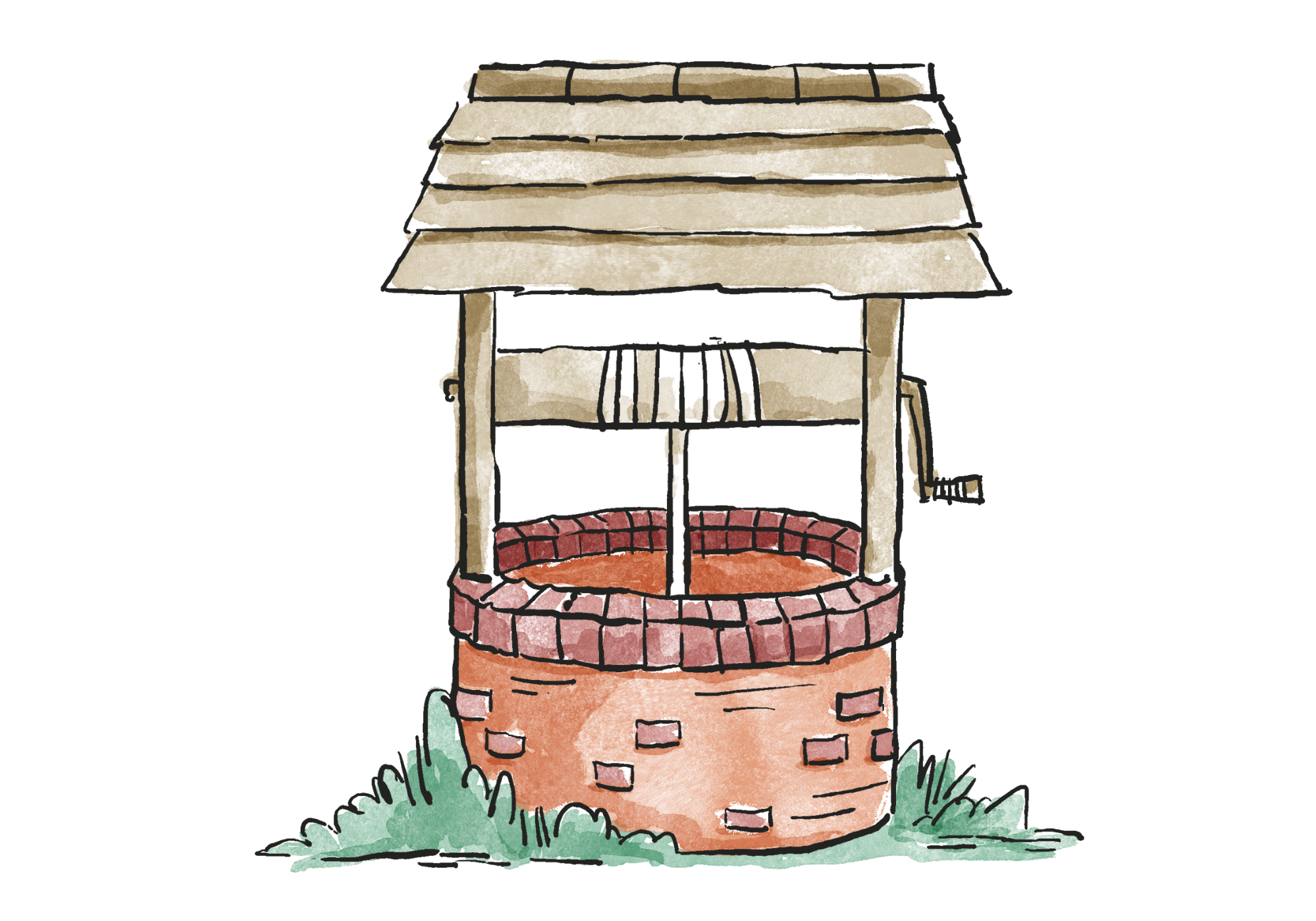
The “well” in this scenario is your mind: you’re running with ideas, stories, memories, characters, events, and all the possibilities as to what to write in your story. Then, it’s time to “drain” it–and find out what of those ideas are central to telling your story.
Put all of these ideas on paper, and dump every idea, moment, person, anything you can think of in relation to your story. You could even use Post-it notes and color-code them, or write them on separate sheets in different colored markers. Whatever works best for you.
Then group them up by theme. What webs and connections do you see once you have them all laid out before you? Maybe a large portion of your story happens in a certain timeframe, or is about a certain person. This helps you narrow down elements of your story. It’s almost like going on a hunt for clues to solve a case.
Your Story is Ready, Ally is Too.
Crafting a memoir that impacts others is possible. If we break it down into pieces, create a strong foundation, and focus on why your story really matters, then the dream of having your story written down isn’t such an “out of reach” feeling anymore.
And by “we” we mean you don’t have to do it alone.
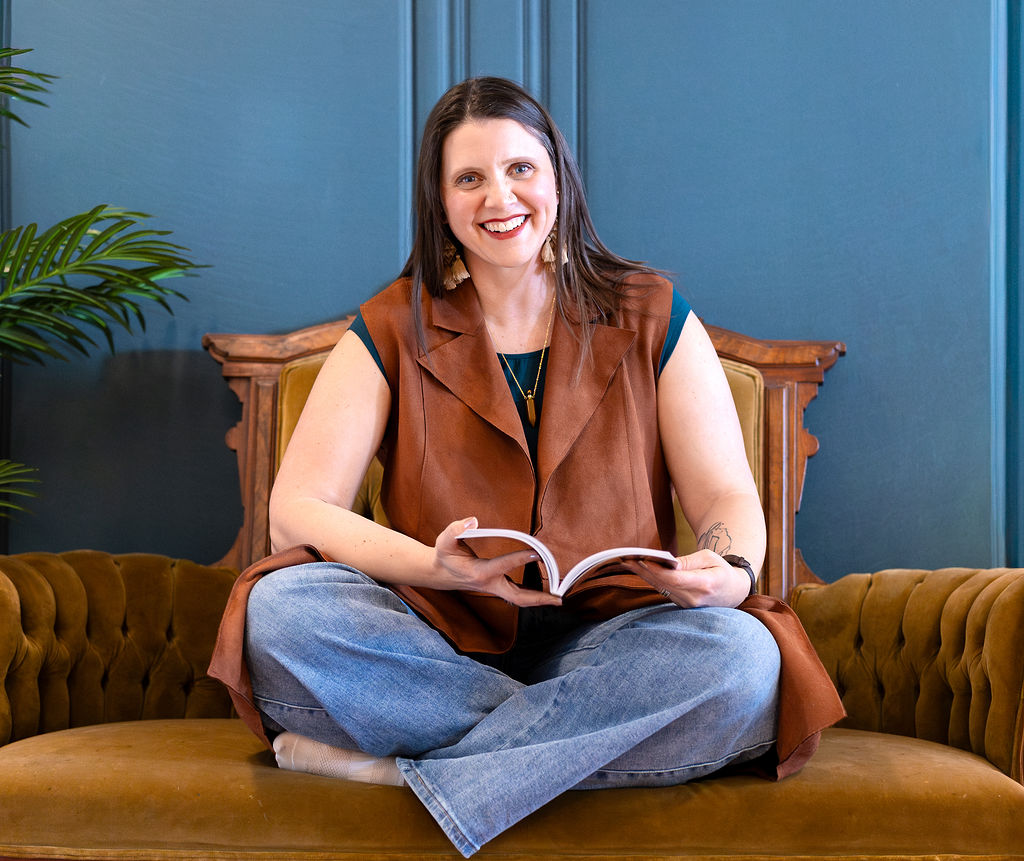
Ally, who has led many others down the same path you want to go on, is ready to set your story up for success. If you’re ready to look into it, consider looking at The Memoir Studio, a guided writing program where you can get in-depth and hands-on feedback every step of the way, from story conceptualization to manuscript refinement.
This post was written by TWPRT’s Summer 2026 Intern, Cierra Rossi.
At the time of this writing, Cierra Rossi is an incoming fourth-year Professional Writing Major at Champlain College. Cierra grew up in Brookfield, Massachusetts, but she has since moved to Burlington, Vermont, where she is completing her bachelor's degree. When she’s not nose-deep in a book or writing her own prose, she loves theater, board games, and cooking new dishes for the people closest to her. She hopes that after graduating in 2027, she’ll be able to continue in the publishing industry, helping books find their people through marketing or by submitting her own writing.